
The internet has become faster, more powerful, and more interconnected than ever before. Businesses, consumers, and organizations now expect websites and applications to deliver instant responses regardless of location, device, or network conditions. As digital experiences become increasingly important, traditional hosting models are being challenged by the growing demand for speed, reliability, and scalability.
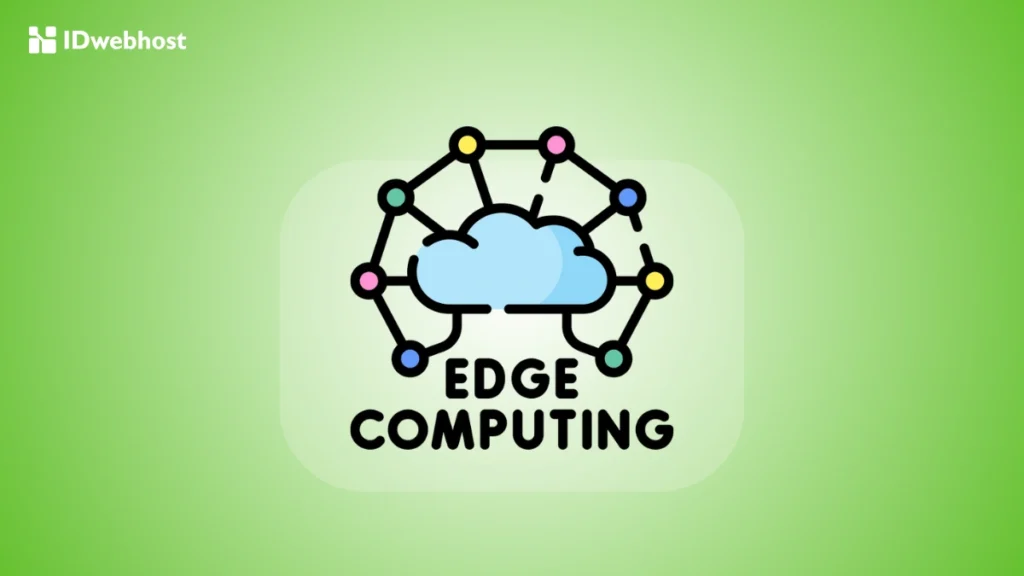
One of the most significant technological developments driving this transformation is edge computing. By bringing computing resources closer to users, edge computing is reshaping the way websites, applications, and online services are delivered. As a result, the web hosting industry is evolving to meet the expectations of a modern digital world.
Understanding how edge computing works and why it matters can help businesses prepare for the future of web hosting and online performance.
What Is Edge Computing?
Edge computing is a distributed computing model that processes data closer to the location where it is generated or consumed rather than relying entirely on centralized data centers.
Traditionally, when a user visits a website or interacts with an online application, data requests travel to a central server that may be located hundreds or even thousands of miles away. The server processes the request and sends information back to the user.
With edge computing, data processing occurs at locations closer to users, often through regional data centers, edge servers, or local network nodes.
This approach reduces the distance data must travel and helps improve performance.
The Limitations of Traditional Hosting
Traditional web hosting has served businesses well for decades, but it faces several challenges in today’s digital environment.
Some common limitations include:
- Increased latency for global users
- Higher risk of congestion
- Slower response times
- Greater dependence on centralized infrastructure
- Difficulty supporting real-time applications
As websites become more interactive and users expect instant access to information, these limitations become increasingly noticeable.
For businesses competing in fast-paced digital markets, even small delays can impact user satisfaction and conversion rates.
Why Website Speed Matters
Website speed is one of the most important factors influencing online success.
Studies consistently show that users expect websites to load quickly. Delays of just a few seconds can result in:
- Higher bounce rates
- Lower customer engagement
- Reduced sales
- Decreased customer satisfaction
Search engines also consider page speed when evaluating user experience.
A faster website can contribute to:
- Better search visibility
- Improved user retention
- Increased conversions
- Stronger brand perception
Edge computing directly addresses these concerns by reducing latency and improving content delivery speeds.
How Edge Computing Works
The core principle of edge computing is simple: move computing resources closer to users.
Instead of routing every request through a central server, edge networks distribute resources across multiple locations.
When a user accesses a website, the request is often served by the nearest available edge server.
This process offers several benefits:
- Faster content delivery
- Reduced network congestion
- Lower latency
- Improved reliability
For example, a visitor in Asia accessing a website hosted primarily in North America may receive content from a nearby edge location rather than waiting for data to travel across continents.
This significantly improves performance.
The Role of Content Delivery Networks
Content Delivery Networks (CDNs) were among the earliest examples of edge computing in action.
CDNs store copies of website content across geographically distributed servers.
When users request content, it is delivered from the nearest server rather than a distant origin server.
Benefits of CDNs include:
- Faster page loading
- Reduced bandwidth usage
- Better global performance
- Improved availability
Modern edge computing expands on this concept by enabling not only content delivery but also data processing and application execution closer to users.
Supporting Real-Time Applications
The rise of real-time applications has accelerated the adoption of edge computing.
Modern digital services increasingly rely on instant interactions, including:
- Video conferencing
- Online gaming
- Live streaming
- Internet of Things (IoT) devices
- Augmented reality applications
These technologies require extremely low latency to function effectively.
Traditional hosting models may struggle to deliver the responsiveness needed for such applications.
Edge computing helps overcome these limitations by processing information closer to end users.
As real-time experiences become more common, edge infrastructure will play a critical role in supporting them.
Enhancing Reliability and Availability
Reliability is another major advantage of edge computing.
Traditional hosting environments often depend heavily on centralized infrastructure.
If a central server experiences problems, users may encounter service disruptions.
Edge networks distribute workloads across multiple locations.
This decentralized approach helps:
- Improve uptime
- Reduce service interruptions
- Minimize single points of failure
- Enhance resilience
Businesses that rely on uninterrupted digital services can benefit significantly from this additional layer of reliability.
Edge Computing and Cloud Hosting
Edge computing is not replacing cloud hosting. Instead, the two technologies are increasingly working together.
Cloud platforms provide centralized resources for:
- Data storage
- Application management
- Large-scale processing
Edge computing complements cloud infrastructure by handling tasks that require low latency and fast response times.
Together, they create a hybrid architecture that combines:
- Scalability
- Performance
- Flexibility
- Reliability
Many modern hosting providers now integrate edge capabilities directly into their cloud services.
This combination is becoming a powerful solution for businesses with global audiences.
The Impact on Search Engine Optimization
Website performance has become an important factor in search engine optimization (SEO).
Search engines aim to provide users with the best possible experiences, and page speed plays a significant role in achieving that goal.
Edge computing can improve SEO by helping websites:
- Load faster
- Reduce latency
- Improve user engagement
- Enhance mobile performance
While content quality remains the most important ranking factor, technical performance contributes to overall user satisfaction.
Businesses that invest in faster infrastructure may gain advantages in both user experience and search visibility.
Security Benefits of Edge Networks
Security is a growing concern for businesses operating online.
Edge computing can strengthen security in several ways.
By distributing traffic across multiple locations, edge networks can help mitigate:
- Distributed denial-of-service (DDoS) attacks
- Traffic congestion
- Network bottlenecks
Many edge providers also incorporate advanced security features such as:
- Real-time threat detection
- Traffic filtering
- Web application firewalls
- Automated protection systems
These capabilities help organizations maintain secure and resilient digital environments.
The Future of Edge Computing in Web Hosting
As internet usage continues to grow, edge computing is expected to become a standard component of modern hosting infrastructure.
Several trends are driving adoption:
- Expansion of 5G networks
- Growth of IoT devices
- Increased demand for real-time services
- AI-powered applications
- Global digital transformation
Businesses increasingly need infrastructure capable of supporting users wherever they are located.
Edge computing provides the speed and flexibility required to meet these expectations.
Over the next decade, hosting providers will likely continue expanding edge networks to support a more connected and performance-driven internet.
Conclusion
Edge computing represents one of the most important advancements in the evolution of modern web hosting. By bringing computing resources closer to users, it addresses many of the limitations associated with traditional hosting models, including latency, performance bottlenecks, and reliability concerns.
As businesses strive to deliver faster, more responsive digital experiences, edge computing is becoming an essential part of hosting infrastructure. Combined with cloud technologies, content delivery networks, and advanced security solutions, it creates a foundation for the next generation of online services.
The future of web hosting will be defined by speed, scalability, and user experience. Edge computing is helping make that future possible, enabling businesses to meet growing customer expectations while building more resilient and efficient digital platforms.